
Hardscaping Services
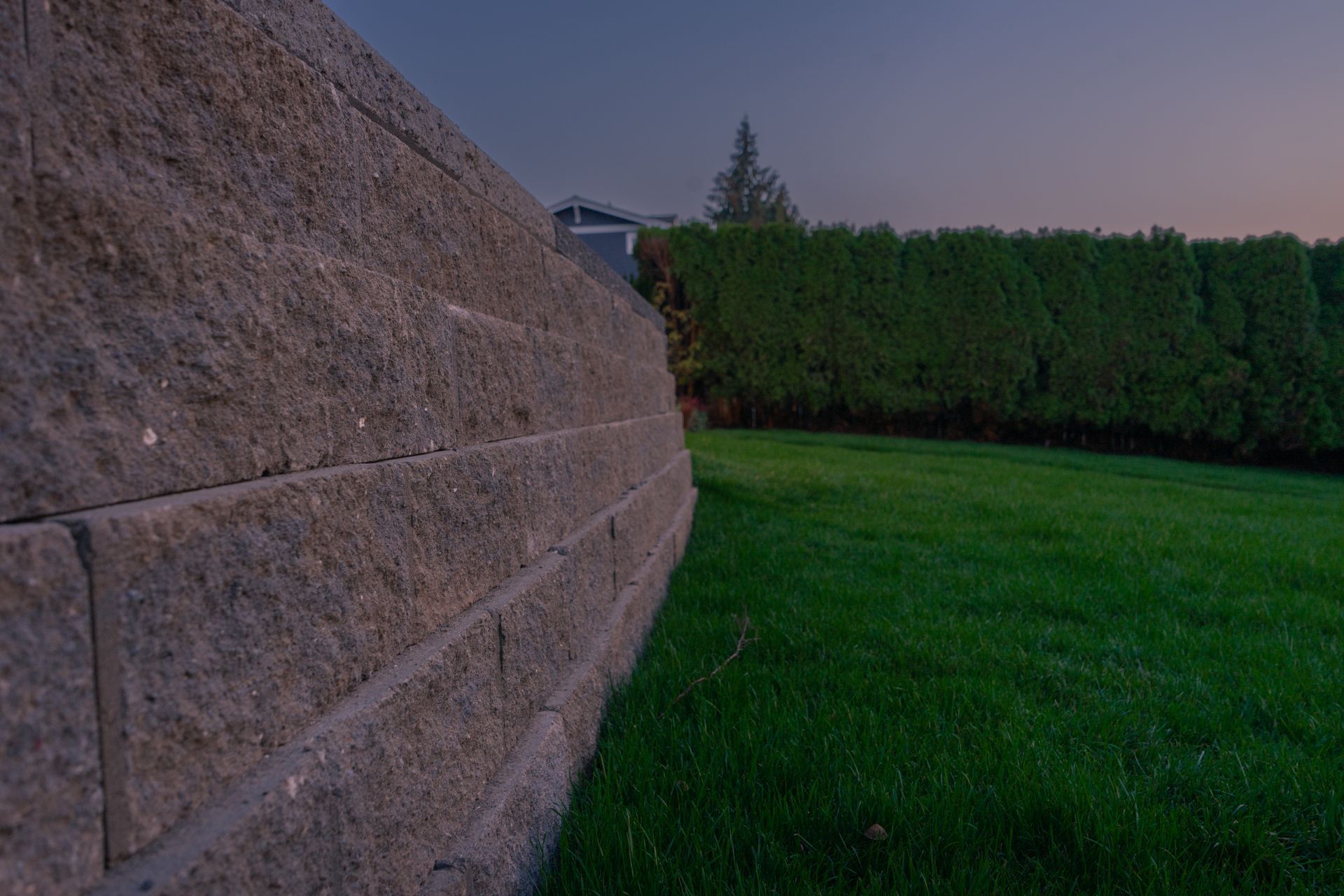
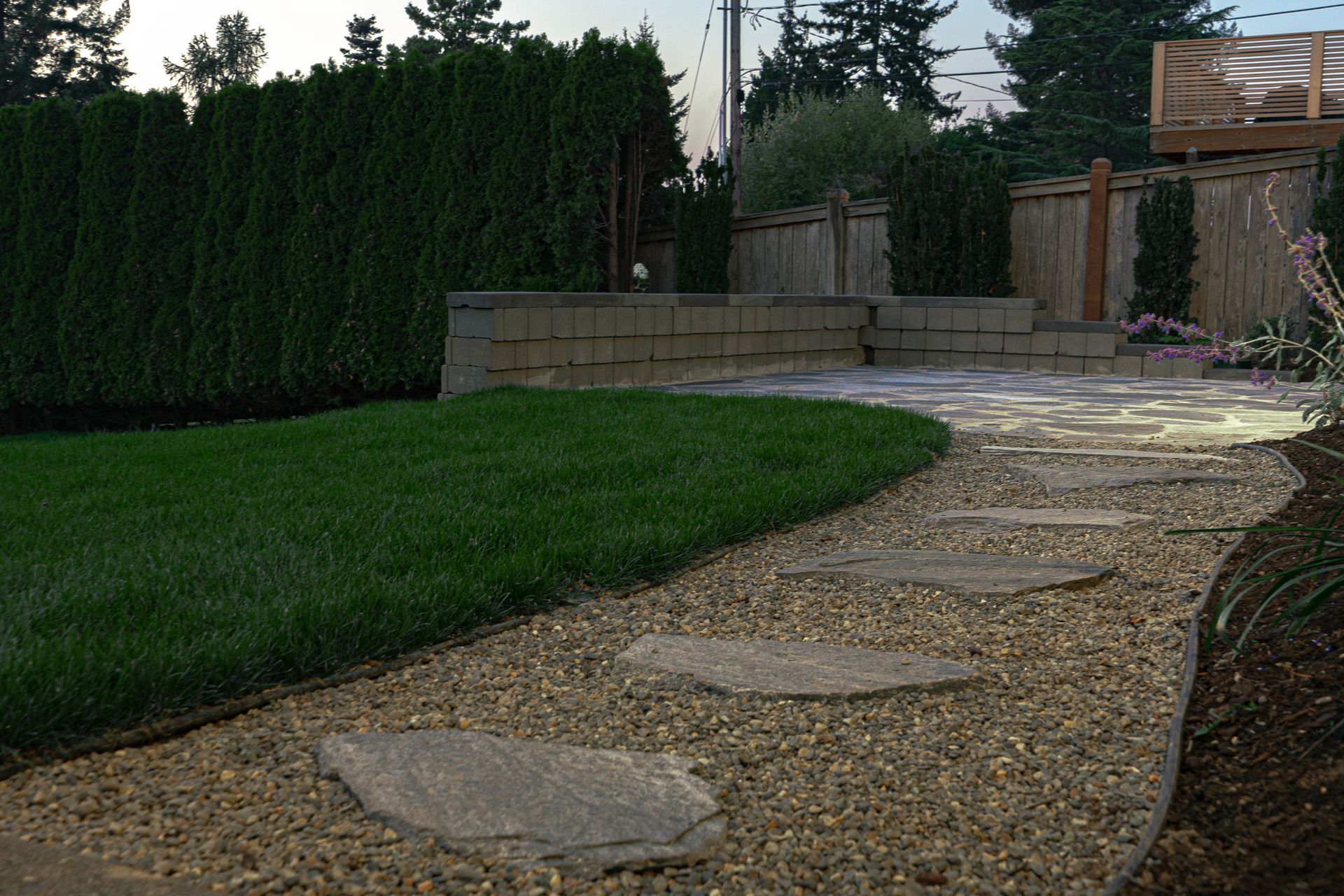
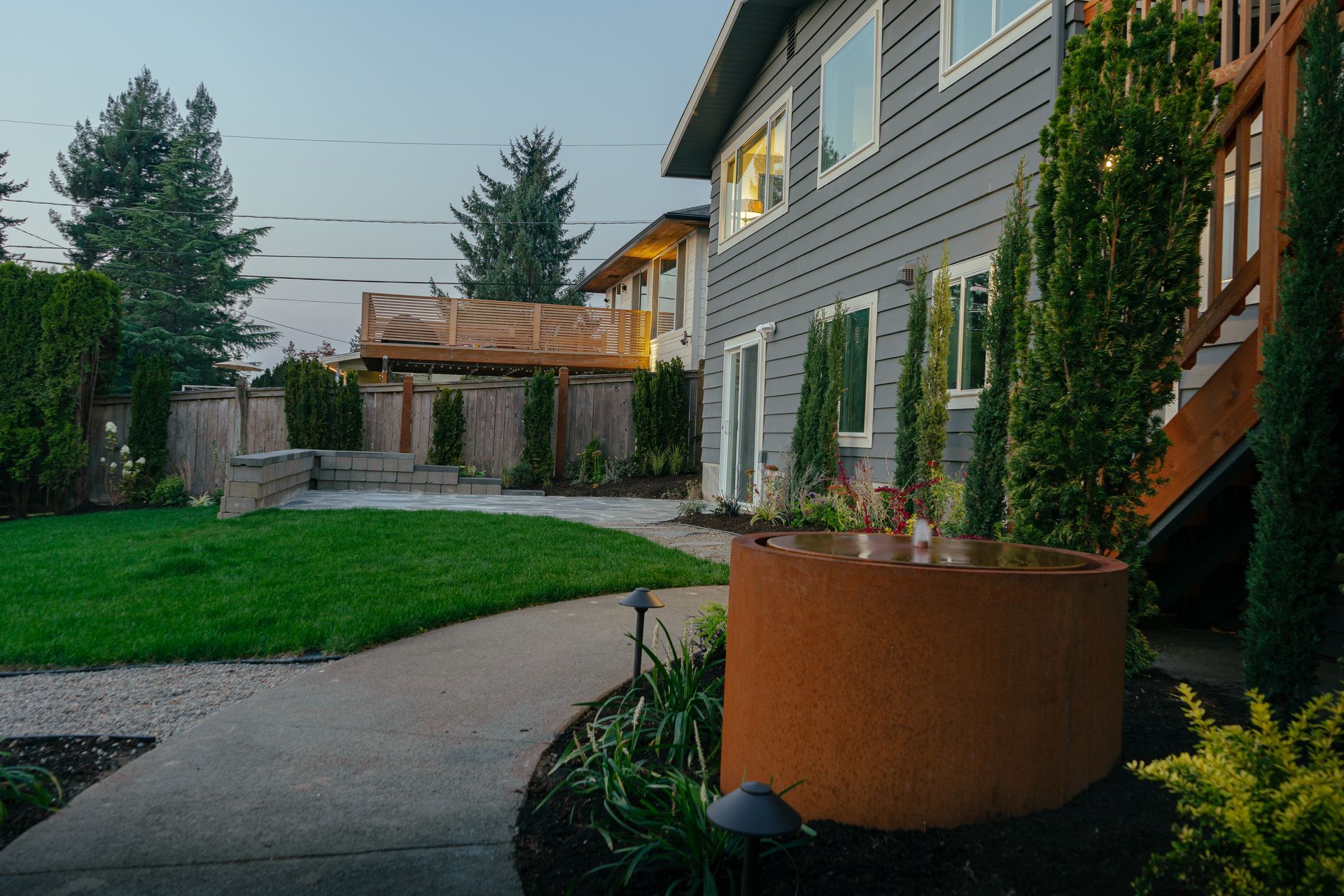
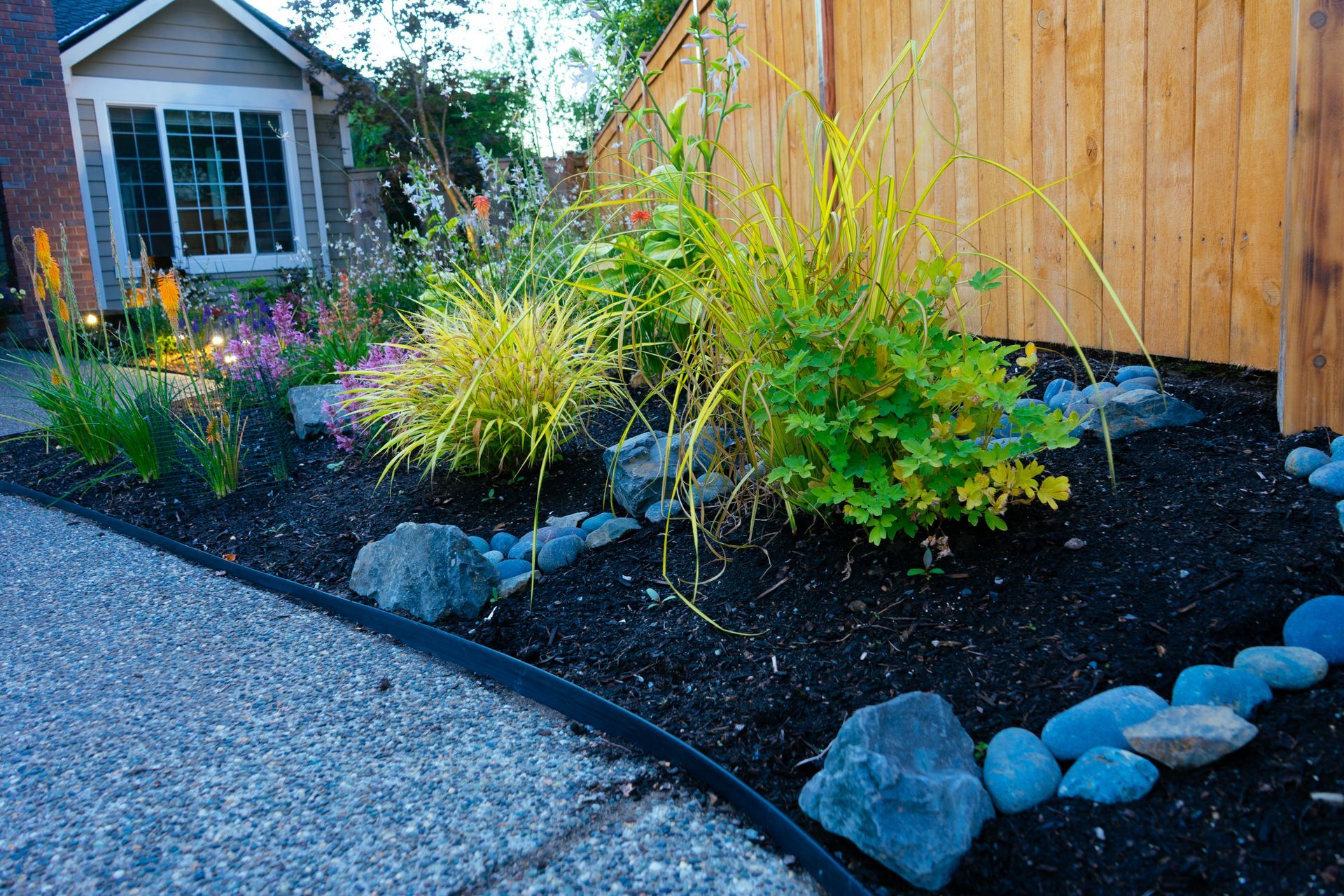
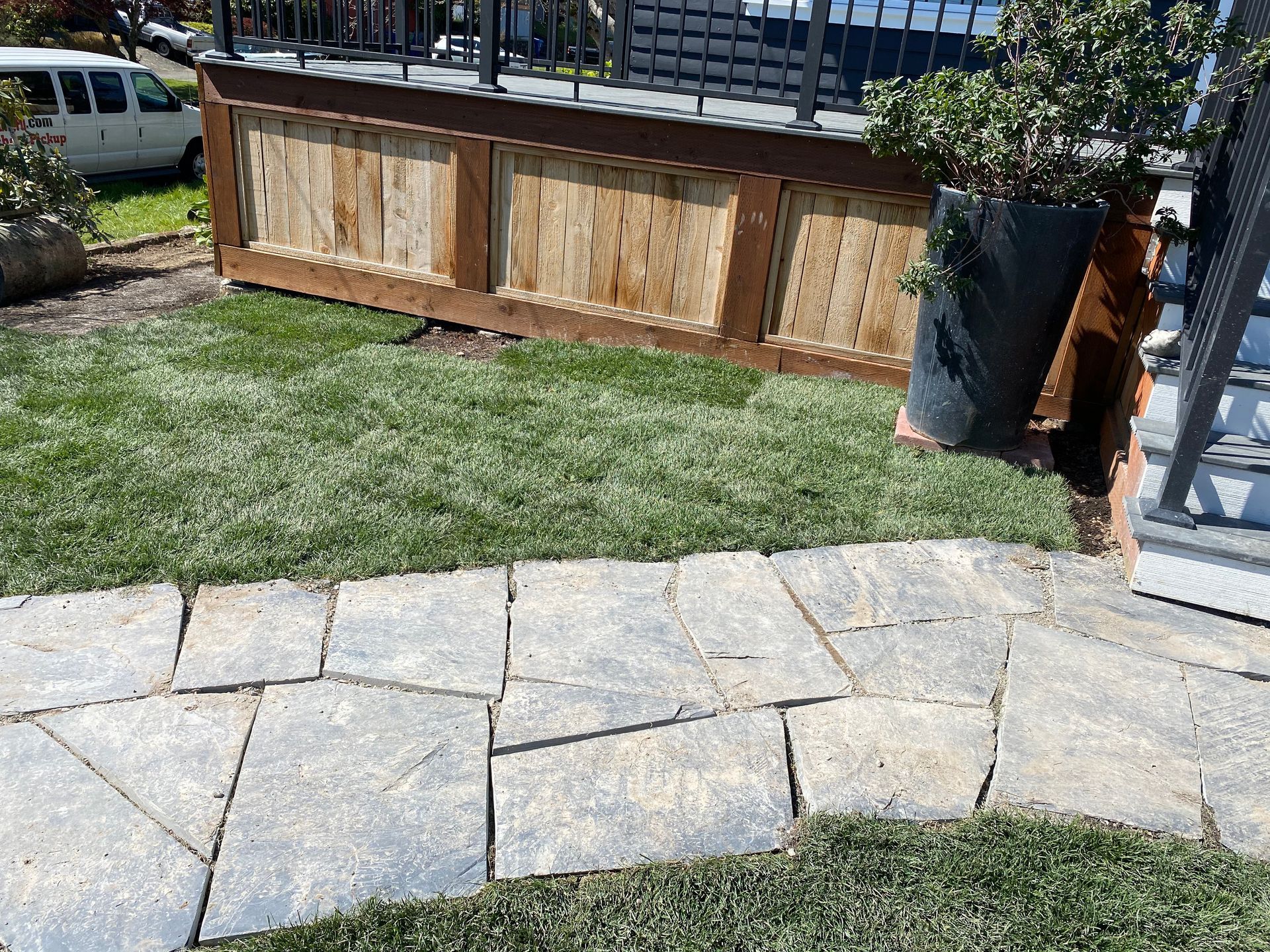
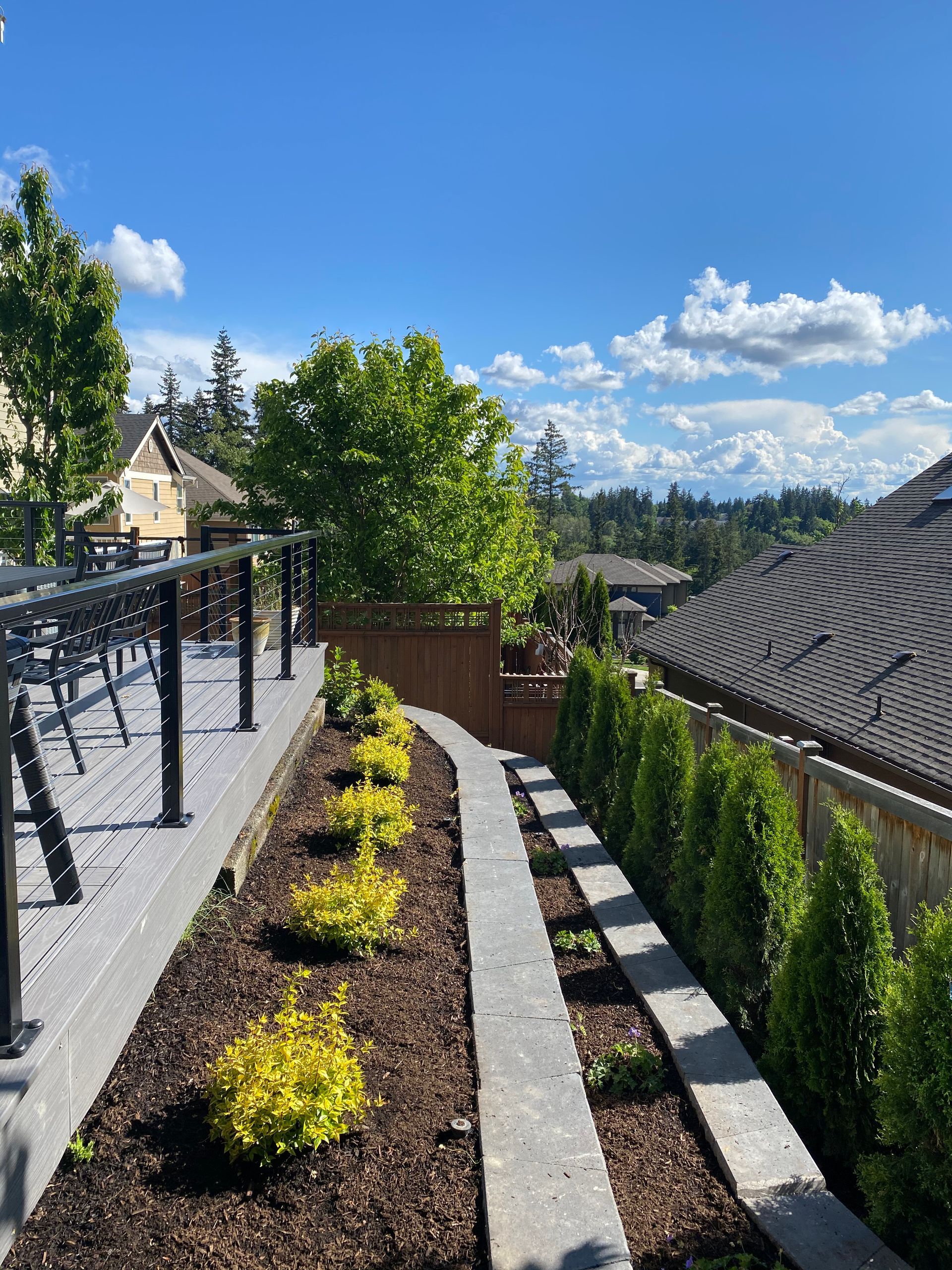
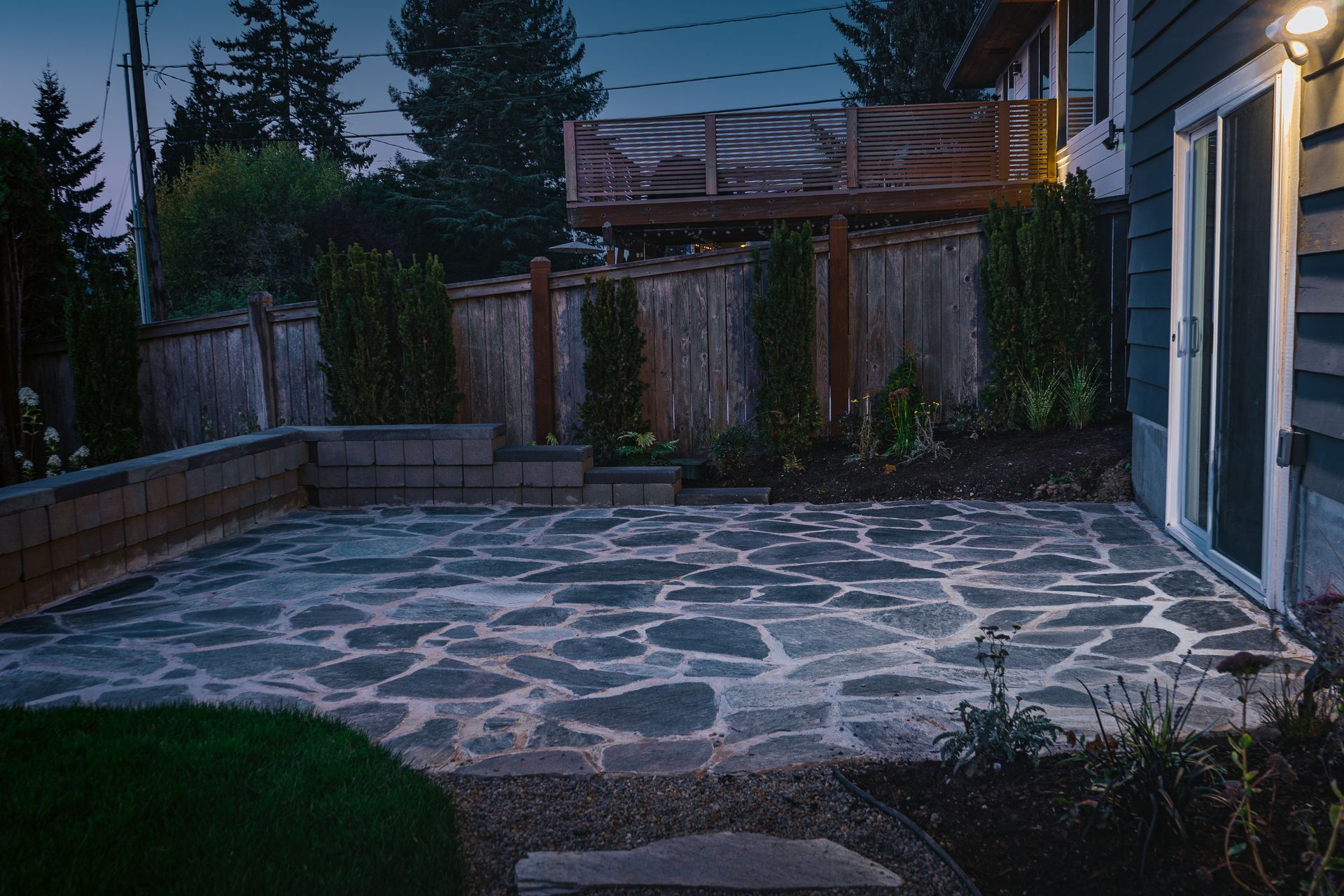
At MTS Tree & Landscape, we also specialize in building the sturdy, beautiful elements that define your outdoor living spaces. Our hardscaping services are all about creating lasting beauty and functionality. We're pros at laying down elegant natural stone and paver pathways, guiding you through your property with style. Need to manage slopes or add dimension? Our expertly constructed retaining walls are both practical and aesthetically pleasing.
And for those dream outdoor areas, we design and build everything from luxurious patios to charming arbors, pergolas, and trellises that provide shade and character. Each hardscaping project is built to last, enhancing both the value and enjoyment of your property. We combine durable materials with skilled craftsmanship to ensure your outdoor structures are not only visually appealing but also stand the test of time and the Pacific Northwest weather.

Get a quote
Contact Us
What Is Hardscaping?
Hardscaping refers to the non-living, structural elements of an outdoor landscape. These are the permanent, built features that define the usable space, manage water, and provide the framework around which all plantings and soft elements are arranged.
What Counts as Hardscape?
| Category | Examples |
|---|---|
| Flatwork | Patios, walkways, driveways, pool decks, courtyards |
| Vertical Structures | Retaining walls, seat walls, garden walls, pillars, columns |
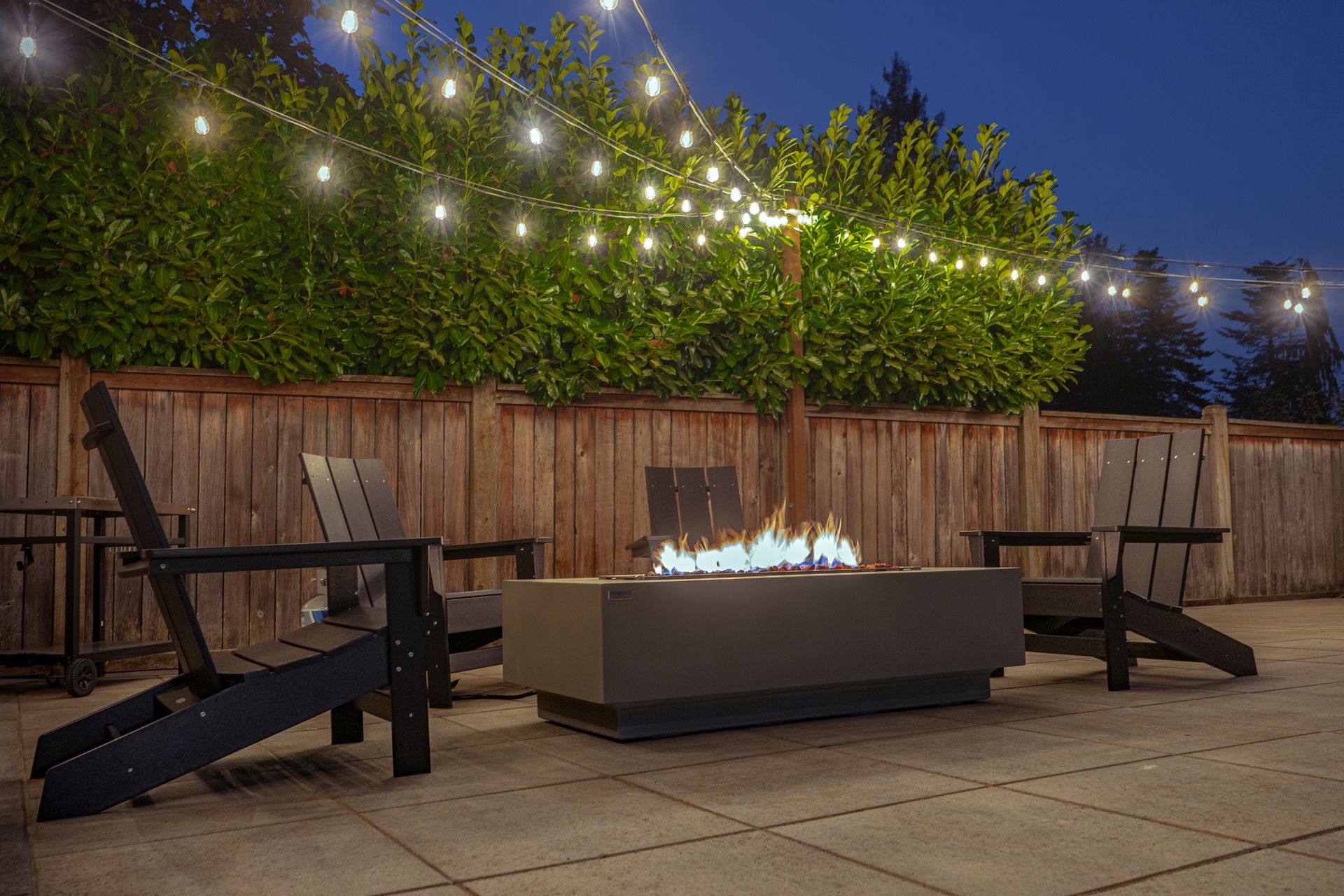
| Outdoor Living | Outdoor kitchens, fire pits, fireplaces, pizza ovens, built-in grills |
| Steps and Transitions | Stone steps, stair systems, elevated landings, ramps |
| Edging and Borders | Paver borders, stone curbing, steel or aluminum edging |
| Drainage | French drains, channel drains, catch basins, dry wells, grading |
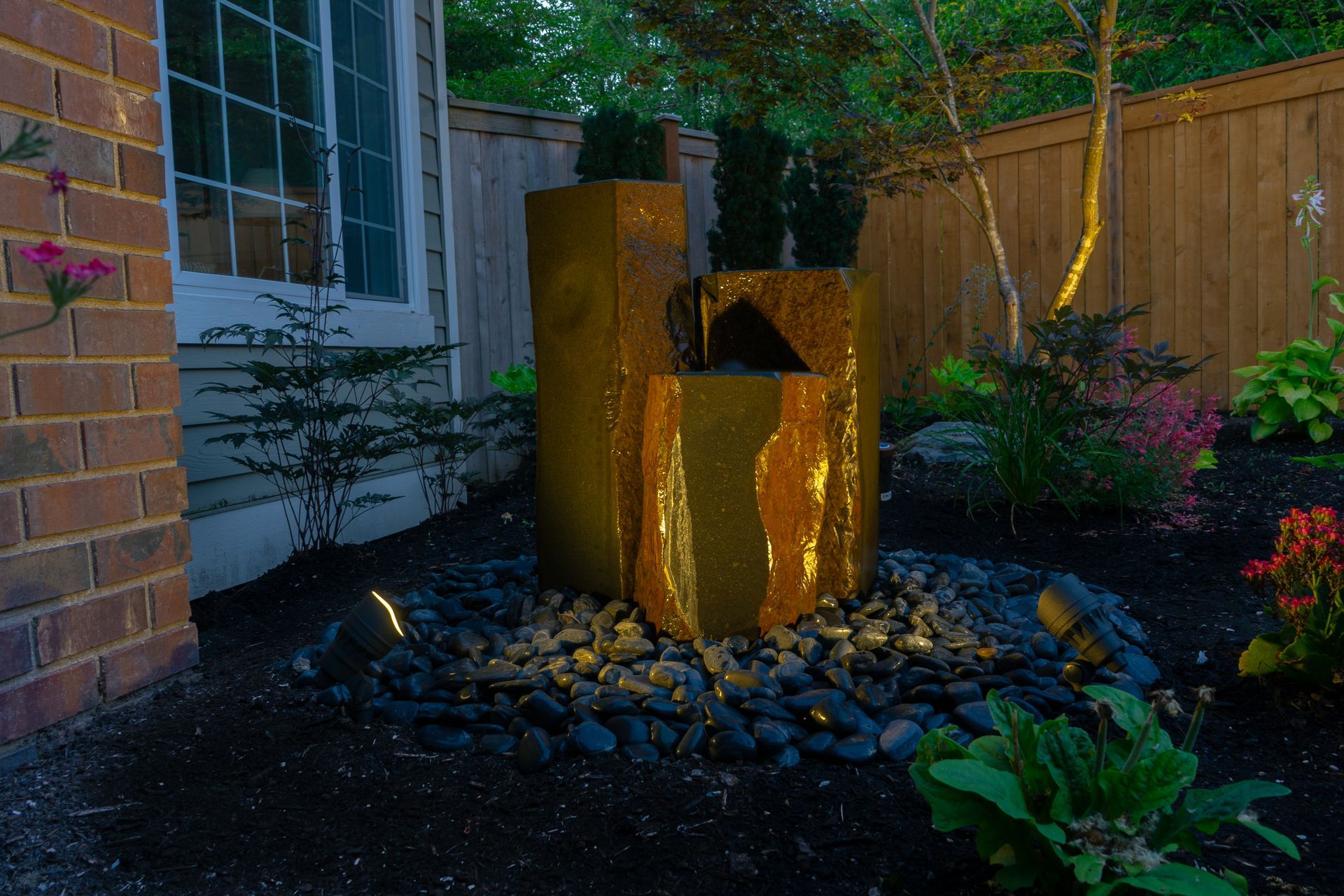
| Water Features | Fountains, pondless waterfalls, stream beds |
| Functional Surfaces | Driveways, parking pads, utility pads, trash enclosures |
Does Hardscaping Include Fences and Decks?
Fences are generally classified as hardscape when they are structural elements of the landscape (stone walls, masonry fences, gabion walls). Wood or vinyl privacy fencing is more commonly handled by fencing contractors, though some hardscape companies include it in their scope.
Decks are typically considered a separate trade (carpentry/construction), though the interface between a deck and surrounding hardscape — steps, patio transitions, retaining walls beneath a deck — often falls within the hardscaping contractor's scope.
Is a Patio Considered Hardscaping?
Yes. Patios are one of the most common hardscaping elements. The material options include concrete pavers, natural stone (flagstone, bluestone, slate), poured concrete (plain, stamped, or exposed aggregate), and permeable pavers. Each performs differently in our climate.
Is Concrete Work Considered Hardscaping?
Yes. Poured concrete flatwork (driveways, walkways, patios), formed concrete retaining walls, and decorative concrete (stamped, stained, exposed aggregate) all fall under hardscaping. Concrete offers a cost-effective, durable option for many applications, though it lacks the modularity of paver systems and is more difficult to repair if cracking occurs.
How Much Do Hardscaping Services Cost?
Hardscaping costs in King and Pierce County depend on material selection, project complexity, site access, and the amount of grading or drainage work required. Here are realistic 2024–2025 local price ranges:
Patio and Walkway Costs
| Material | Cost Per Sq Ft (Installed) | Durability | Maintenance | Best For |
|---|---|---|---|---|
| Concrete Pavers | $18 – $35 | Excellent (30+ years) | Low; joint sand refresh every 3–5 years | Patios, walkways, driveways |
| Natural Flagstone (wet-laid) | $25 – $45 | Excellent | Low to moderate; occasional re-leveling | Patios, pathways, casual areas |
| Natural Flagstone (dry-laid) | $15 – $30 | Good | Moderate; weed management in joints | Garden paths, stepping stone walks |
| Poured Concrete (plain) | $12 – $20 | Good (20+ years) | Low; seal every 3–5 years | Driveways, utility areas, large surfaces |
| Stamped Concrete | $18 – $30 | Good | Moderate; reseal every 2–3 years | Patios, pool decks, decorative areas |
| Permeable Pavers | $22 – $40 | Excellent | Moderate; annual vacuum/cleaning | Driveways, patios (stormwater compliance) |
| Bluestone | $30 – $50 | Excellent | Low | Formal patios, front entries |
| Travertine | $25 – $45 | Good (can be slippery when wet) | Moderate; seal regularly | Pool decks, formal patios |
Retaining Wall Costs
| Material | Cost Per Linear Foot | Typical Height | Notes |
|---|---|---|---|
| Segmental Block (e.g., Belgard, Pavestone) | $50 – $100 | Up to 4 ft without engineering | Most popular residential option; wide color/texture range |
| Engineered Segmental Block | $75 – $150+ | 4 to 10+ ft | Requires geogrid reinforcement and engineered design |
| Natural Stone (stacked) | $60 – $120 | Up to 3 ft typical | Rustic aesthetic; good for garden walls and low retention |
| Poured Concrete | $80 – $150+ | Any height | Strongest option; requires forms and rebar; engineer-designed |
| Boulder Walls | $50 – $90 | Up to 4 ft typical | Natural look; large boulders placed by equipment |
Permit Note: Retaining walls over 4 feet in height (measured from the bottom of the footing to the top of the wall) require a building permit and engineered design in most King County jurisdictions. Walls that retain a surcharge (like a driveway or structure above) may require engineering at lower heights. Factor $1,500 to $4,000 for structural engineering into your budget for walls that trigger permit requirements.
Outdoor Kitchen and Fire Pit Costs
| Feature | Typical Cost Range | Includes |
|---|---|---|
| Built-In Fire Pit | $3,000 – $8,000 | Stone or block construction, gas line or wood-burning setup, cap/seating wall |
| Fire Pit with Surrounding Patio | $8,000 – $20,000 | Fire pit, paver or stone patio, seating walls, basic lighting |
| Basic Outdoor Kitchen | $15,000 – $30,000 | Built-in grill, counter space, storage, electrical, gas line |
| Full Outdoor Kitchen | $30,000 – $80,000+ | Grill, side burner, refrigerator, sink with plumbing, pizza oven, bar seating, roof structure |
What Is the Difference Between Hardscaping and Landscaping?
| Hardscaping | Landscaping | |
|---|---|---|
| Definition | Non-living structural elements of the outdoor environment | The complete outdoor environment, including both hard and soft elements |
| Scope | Patios, walls, walkways, drainage, structures | Everything: hardscape + plantings + turf + irrigation + lighting |
| Trade Focus | Construction, masonry, excavation, grading | Design, horticulture, construction, maintenance |
| Maintenance | Minimal (joint sand, sealing, drainage upkeep) | Ongoing (plants need pruning, watering, feeding, replacing) |
| Relationship | Hardscaping is a component of landscaping | Landscaping is the comprehensive discipline |
Every hardscaping project exists within a larger landscape context. A patio surrounded by dying plants and poor drainage fails visually and functionally, regardless of how well the pavers were laid. The best outcomes happen when hardscaping and softscaping are designed and installed together by a company that handles both.
MTS Tree & Landscape provides integrated hardscaping and landscaping services, so your structural elements and plantings work as a unified design. Call (425) 369-8733 to discuss your project.
What Is the Difference Between Hardscaping and Softscape?
| Hardscape | Softscape | |
|---|---|---|
| Material | Stone, concrete, brick, gravel, metal, wood | Trees, shrubs, perennials, groundcovers, turf, mulch |
| Living? | No | Yes |
| Changes Over Time? | Minimal (color fade, joint settling) | Constantly (growth, seasonal change, aging) |
| Installation Season | Year-round (with cold-weather concrete precautions) | Best in spring or fall for planting |
| Cost Profile | Higher upfront per square foot; lower lifetime maintenance | Lower upfront; higher lifetime maintenance cost |
| Permanence | 20 to 50+ years if properly built | Trees decades; shrubs 10–20 years; perennials 3–10 years |
The design balance between hardscape and softscape determines both the aesthetic character and the long-term maintenance burden of your outdoor space. More hardscape means less ongoing maintenance but higher upfront cost. More softscape means lower upfront investment but ongoing labor and water costs. Most residential properties in our area perform best with a 40/60 to 50/50 hardscape-to-softscape ratio.
Who Offers Professional Hardscaping Services Near Me for Patios, Walkways, and Retaining Walls?
The quality of a hardscaping installation is almost entirely determined by what happens below the surface. The base and sub-base are invisible once the project is finished, but they determine whether your patio is still level in ten years or showing settlement cracks in three.
Base Preparation
In King County's clay-heavy soils, a proper paver patio requires:
- Excavation to 8 to 12 inches below finished grade
- Geotextile fabric over the subgrade to prevent clay migration into the aggregate
- 6 to 8 inches of compacted crushed rock base (¾-inch minus), installed and compacted in 2-inch lifts
- 1 inch of leveling sand (screeded, not compacted)
- Pavers installed with appropriate edge restraint
- Polymeric sand in joints to prevent weed growth and insect entry
A contractor who skips the geotextile, uses only 3 inches of base, or does not compact in lifts will produce a patio that settles unevenly once the soil beneath absorbs moisture and heaves through our freeze-thaw cycles. By the time you notice the problem, the fix requires pulling up the entire surface and rebuilding from scratch.
Drainage Integration
Every hardscape surface redirects water. A professional installation accounts for:
- Surface grading (minimum 1% to 2% slope away from structures)
- Subsurface drainage behind retaining walls (gravel backfill and perforated drain pipe)
- Integration with the property's overall drainage system
- Stormwater code compliance (particularly relevant for impervious surface limits in Seattle and Sammamish)
What Materials Are Best for Patios and Walkways?
Material selection for Pacific Northwest hardscaping should prioritize freeze-thaw resistance, slip resistance when wet (critical in a region with 8+ months of rain), color stability, and long-term maintenance requirements.
| Material | Freeze-Thaw Rating | Wet Slip Resistance | Color Stability | Best Application |
|---|---|---|---|---|
| Concrete Pavers (interlocking) | Excellent | Good to excellent (textured finishes) | Very good | All-purpose; best overall value |
| Natural Basalt | Excellent | Good | Excellent (dark, consistent) | Modern design; steps; accent walls |
| Flagstone (local quarry) | Very good | Good (natural texture) | Good | Naturalistic patios; garden paths |
| Exposed Aggregate Concrete | Good | Excellent | Good | Driveways; utility areas |
| Stamped Concrete | Fair to good | Fair when wet (requires texture additive) | Moderate (reseal required) | Budget-conscious decorative surfaces |
| Bluestone | Very good | Good | Very good | Formal entries; front patios |
| Permeable Pavers | Excellent | Good | Very good | Stormwater-compliant driveways and patios |
Climate Insight: Avoid polished or smooth-finish stone for walkways and patios in our area. Surfaces that perform beautifully in dry climates become hazardous in a region where rain, moss, and algae are constants. Textured, thermal-finished, or tumbled surfaces provide the grip needed for safe use year-round.
How Do I Choose Between Different Hardscaping Services for Driveway Pavers and Stonework?
| Factor | What to Evaluate | Red Flag |
|---|---|---|
| Portfolio | Completed projects in our climate zone, specifically 3+ years old so you can see how they have aged | Only new project photos; no local work |
| Base Specification | Ask them to describe base preparation for your soil conditions; should mention geotextile, compacted lifts, and minimum 6-inch aggregate depth | "4 inches of gravel is fine" or no mention of geotextile |
| Drainage Plan | Written drainage plan showing where water goes and how it is managed | No mention of drainage; "it'll drain naturally" |
| License and Insurance | Active WA contractor's license; $1M+ general liability; workers' comp | No license; vague about insurance |
| Material Sourcing | Can specify exact paver brand, color, and pattern; uses commercial-grade materials | Generic "concrete pavers" with no brand or spec |
| Warranty | Written warranty on workmanship (2 to 5 years standard); manufacturer warranty on materials | No warranty; or verbal-only promise |
| Engineering | Can coordinate structural engineering for walls over 4 feet or complex grading | Claims no engineering is needed for tall walls |
| References | Provides client contacts for projects 2+ years old | Only offers recent references or none at all |
Get three written, itemized proposals. Compare base preparation specifications, material specifications, drainage provisions, and warranty terms. A $20,000 patio built on 8 inches of properly compacted base with geotextile and drainage is a fundamentally different product than a $14,000 patio built on 4 inches of loose gravel with no fabric.
Where Can I Find Hardscaping Services That Include Drainage Solutions and Grading Work?
Drainage is not an optional add-on in our region. It is an integral part of every hardscaping project. The combination of clay soils, heavy rainfall, and sloped lots that define much of King and Pierce County means water management must be designed into the project, not addressed after problems appear.
How Do You Ensure Proper Drainage?
Surface Drainage
- All flatwork graded at minimum 1% slope (1/8 inch per foot) away from structures
- Low points directed to collection points (catch basins, channel drains)
- No ponding zones on paver or stone surfaces
Subsurface Drainage
- French drains behind all retaining walls (4-inch perforated pipe in gravel, wrapped in filter fabric)
- Curtain drains to intercept subsurface water flow before it reaches hardscape or foundations
- Dry wells for concentrated runoff in areas without storm sewer access
- Drain pipe daylight locations planned for gravity flow
Stormwater Compliance
- Seattle limits impervious surface to specific percentages by zone. New hardscape may trigger stormwater management requirements.
- Permeable paver systems can satisfy impervious surface limits while providing a fully functional patio or driveway surface.
- Sammamish and Issaquah have similar stormwater requirements that affect hardscape project planning.
If trees need to be removed to accommodate your hardscape project, municipal tree codes apply. Our Seattle tree removal permits guide covers the requirements and process for permit applications.
Which Hardscaping Services Can Design and Build an Outdoor Kitchen or Fire Pit Area?
Outdoor kitchens and fire pit areas represent the most complex residential hardscaping projects. They involve masonry, gas line installation, electrical, plumbing (for sinks), ventilation, and structural considerations that go beyond standard flatwork or wall construction.
Design Considerations for Outdoor Kitchens in Our Climate
- Roof structure or overhead cover. In the Pacific Northwest, an outdoor kitchen without rain protection sees limited use. A pergola with a solid roof, an attached patio cover, or a freestanding pavilion extends usability to 10+ months per year.
- Material durability. Countertops must withstand moisture, freezing temperatures, and UV exposure. Granite, concrete, and porcelain tile perform well. Marble and some engineered quartz are less suitable for outdoor use in our climate.
- Appliance specification. Outdoor-rated stainless steel appliances are mandatory. Indoor appliances will corrode within 1 to 2 years in our moisture-heavy environment.
- Gas and electrical. Licensed plumber and electrician involvement is required for gas line and electrical connections. Building permits are required in all King County jurisdictions for gas and electrical work.
- Drainage. The cooking area needs floor drainage to handle both rain and cleanup water.
Fire Pit Design Choices
| Type | Pros | Cons | Cost Range |
|---|---|---|---|
| Wood-Burning (masonry) | Authentic ambiance; no gas line needed | Smoke; ember management; fire code setback requirements | $3,000 – $6,000 |
| Gas (natural gas) | Clean, instant on/off, no smoke, adjustable flame | Requires gas line installation; less authentic feel | $4,000 – $8,000 |
| Gas (propane) | No gas line needed; portable tank | Tank replacement; lower BTU output | $3,000 – $6,000 |
| Fire Table | Furniture-like appearance; dual-use surface | Smaller flame; less heat output | $2,000 – $5,000 |
Fire Code Note: King County and most municipalities require minimum setbacks for fire features: typically 10 feet from structures and property lines for wood-burning, and 5 to 10 feet for gas fire features. Confirm setback requirements with your local jurisdiction before design begins.
Where Can I Hire Hardscaping Services to Repair or Replace a Failing Retaining Wall?
Retaining wall failure in King and Pierce County is overwhelmingly caused by three factors: inadequate drainage behind the wall, insufficient base preparation, and lack of geogrid reinforcement in walls that needed it.
Signs of Retaining Wall Failure
- Visible leaning or bulging outward
- Horizontal cracking along mortar joints or block courses
- Cap stones shifting or falling off
- Soil erosion appearing at the base
- Water seeping through the wall face (indicating failed drainage)
- Settlement or separation at corners and ends
Repair vs. Replacement Decision Framework
| Condition | Action | Approximate Cost |
|---|---|---|
| Minor settling, stable, no lean | Monitor; possibly re-level cap stones | $500 – $2,000 |
| Localized bulge, wall under 3 feet | Partial rebuild of affected section with corrected drainage | $2,000 – $6,000 |
| Significant lean, full wall compromised | Complete tear-down and rebuild with proper base, drainage, and geogrid | $8,000 – $25,000+ |
| Wall over 4 feet with structural failure | Engineer-designed replacement with permit | $15,000 – $40,000+ |
A retaining wall that is actively failing is a safety hazard, particularly on sloped lots common throughout Sammamish, Issaquah, and the east King County foothills. If a wall failure has also destabilized trees on the slope, our team can address emergency tree hazards as part of the site stabilization.
Service Areas:
King County, Pierce County, Sammamish, Issaquah, Bellevue, Mercer Island, Clyde Hill, Medina, Maple Valley, Newcastle, Woodinville, Redmond, Renton, Bothell, Seattle, Auburn, Tacoma, Federal Way, Covington, North Bend, Duvall, Lakewood, Spanaway, Puyallup, Graham, Bonney Lake, Sumner, Enumclaw, Parkland, Edgewood, Milton